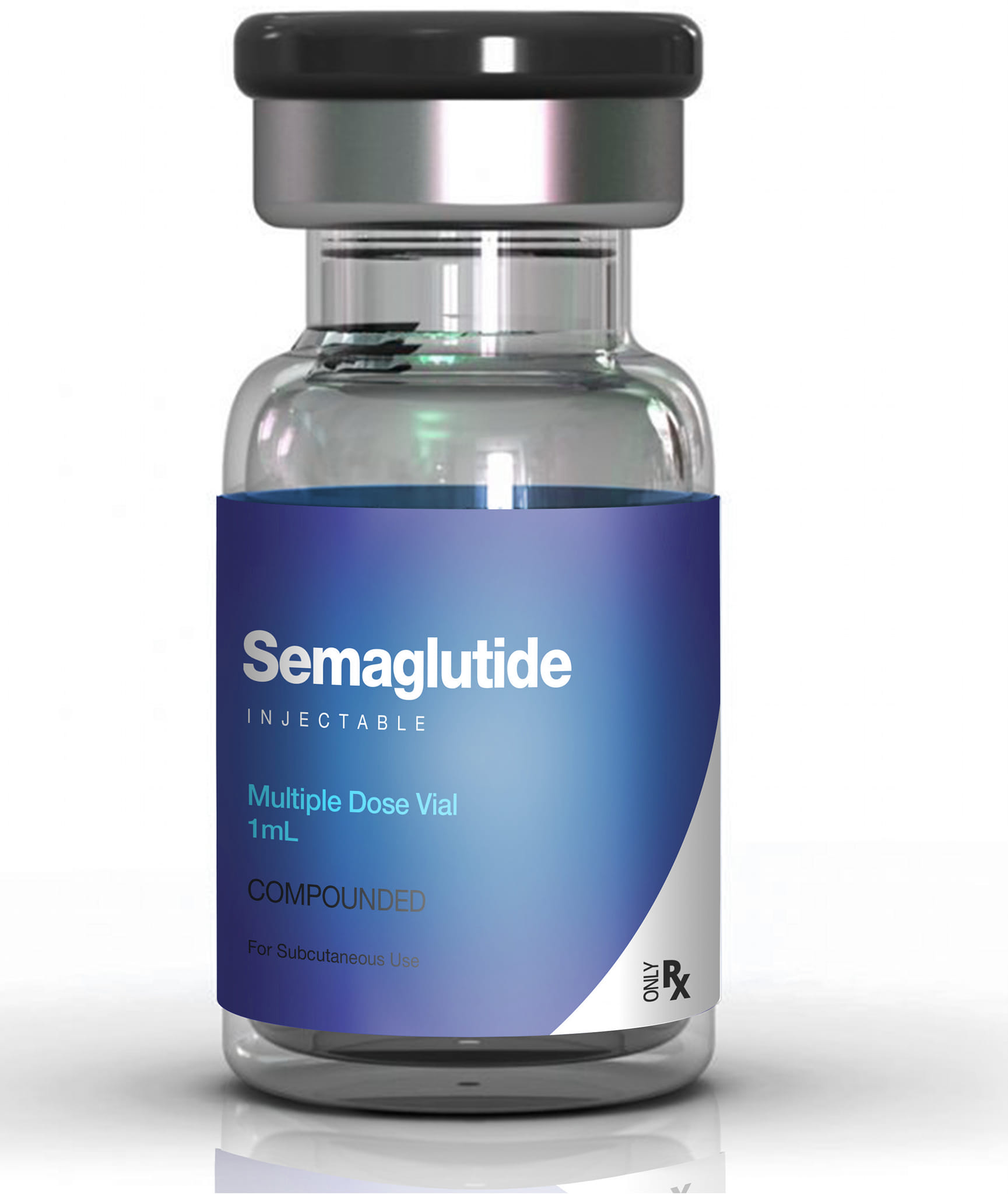
For patients with metabolic dysfunctionassociated steatohepatitis, treatment with semaglutide may improve outcomes
Among women with class I obesity (BMI 30.034.9 kg/m), the pregnancy rate was 17.4% in the semaglutide group versus 25.5% in controls (OR = 0.61, 95% CI 0.390.97, p = 0.035), representing a statistically significant decrease
In experimental models, this synergy has translated into enhanced repair of tendons, ligaments, muscle-to-bone junctions, and cardiac tissues, with both peptides showing excellent safety profiles
They provide energy by helping your body's internal systems work more efficiently, rather than by stimulating your central nervous system like caffeine does
What if Insurance Denies GLP-1/GIP Coverage